
How Individual Counseling Can Enhance Your Relationship

Individual counseling strengthens relationships by addressing personal emotional barriers, improving communication, and fostering self-awareness. Working with a licensed mental health counselor helps individuals resolve inner conflicts, reduce reactivity, and build healthier partnership dynamics for lasting connection and mutual understanding.
Relationships often falter from unaddressed personal struggles like anxiety, past trauma, or low self-worth that spill into daily interactions. If resentment builds, arguments repeat, or emotional distance grows, individual counseling offers a powerful path forward.
In this guide, you’ll learn how sessions with a licensed mental health counselor can transform your inner world, enhance communication, and deepen intimacy. You’ll learn practical steps, real examples, and why this approach outperforms couples therapy alone for sustainable relationship growth.
Let’s dive in.
Table of contents
What is individual counseling?
Step-by-step ways individual counseling improves relationships
How attachment styles play into relationships — and how counseling helps
Data, stats, or research insights
When to start individual counseling
Frequently asked questions about individual counseling
Utah mental health perspective
Ready to strengthen your relationship through individual counseling?
What is individual counseling?
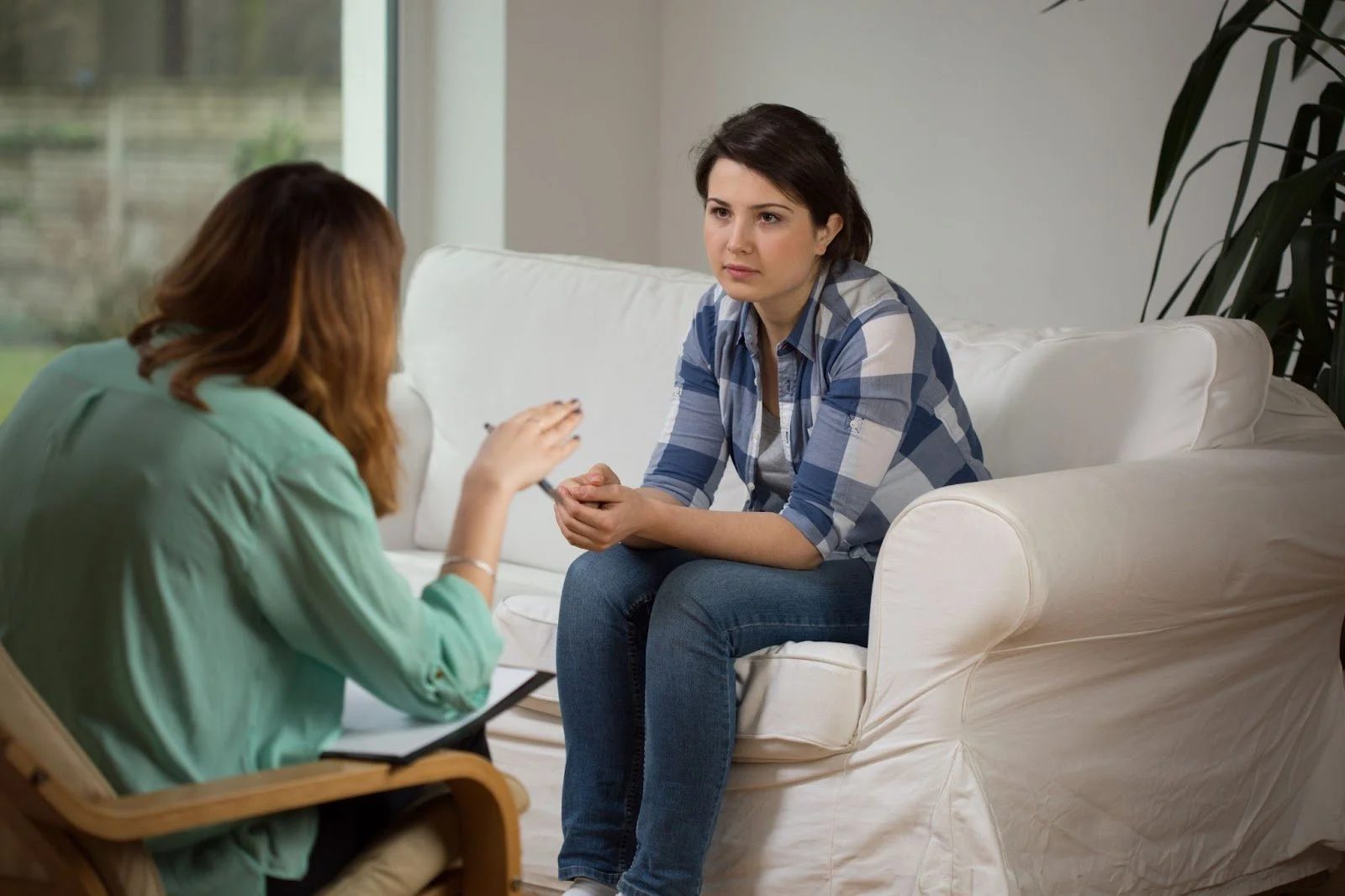
Individual counseling involves one-on-one sessions with a licensed mental health counselor to explore personal thoughts, emotions, and behaviors.
Unlike couples therapy, it focuses on your internal landscape — helping unpack anxiety, attachment styles, or unresolved issues that affect relationships. With Utah mental health services, this tailored approach builds self-insight, emotional regulation, and resilience.
Why does individual work first strengthen relationships?
Many arrive at therapy wanting to “fix” their partner, but true change starts within.Attempting to change someone else often breeds resentment, while individual counseling reveals your own blind spots — like reactive patterns or unspoken fears — that fuel cycles of conflict. A licensed mental health counselor gently guides this self-discovery, helping you interrupt unhelpful dynamics independently.
This approach proves especially effective because personal shifts ripple outward. For instance, gaining emotional clarity reduces blame-shifting, making space for mutual understanding.
In Utah’s family-focused culture, where high expectations can amplify internal pressures, this solo groundwork lays a strong foundation. Clients frequently report that addressing their side first invites partners to engage more willingly, transforming “me vs. you” into shared growth.
Step-by-step ways counseling improves relationships
1. Self-assessment
Begin by pinpointing personal triggers — such as fear of vulnerability, anger outbursts, or withdrawal patterns — that strain your relationship. A counselor facilitates guided reflection through questions and exercises, helping you map emotional patterns without judgment. This foundational clarity prevents reactive behaviors from escalating conflicts.
2. Emotional processing
Dive into past wounds like childhood neglect or previous betrayals using talk therapy techniques. Your licensed mental health counselor creates a safe space to unpack these, reducing defensiveness that blocks intimacy.
Over the course of therapy, clients often report lighter emotional loads, leading to more open-hearted interactions with partners.
3. Skill building
Practice evidence-based communication tools, like “I” statements (“I feel overwhelmed when…”) instead of blame. Through role-playing and feedback, a counselor refines these skills for real-world use. Utah mental health services emphasize repeatable techniques that foster understanding and effectively de-escalate arguments.
4. Boundary setting
Learn to articulate and enforce healthy limits, such as “I need 30 minutes alone after work,” to curb resentment. A licensed mental health counselor helps identify where boundaries are porous or rigid and tailors strategies. This empowers balanced give-and-take, strengthening relational trust over time.
5. Mindfulness training
Build present-moment awareness with breathing exercises and body scans to interrupt reactive impulses. Guided by your counselor, these practices minimize autopilot arguments. Clients often notice calmer responses, enhancing daily connection.
6. Integration practice
Translate session insights into partnerships by journaling interactions or trying new responses at home. Track progress weekly and adjust as needed. Utah mental health services support this bridge, ensuring personal growth directly uplifts relationship dynamics.
7. Ongoing maintenance
Schedule periodic check-ins to reinforce gains and address emerging issues proactively. A licensed mental health counselor monitors sustainability within Utah mental health services to prevent backsliding. This long-term approach solidifies harmony, turning temporary improvements into enduring relational strengths.
How attachment styles play into relationships — and how counseling helps
Attachment styles — shaped by early caregiving — deeply influence how we connect.
- Secure types communicate openly.
- Anxious ones fear abandonment and cling.
- Avoidants pull away to self-protect.
- Disorganized styles swing between both amid trauma.
These patterns often clash silently, turning small disagreements into relational minefields.
Individual counseling shines here. A counselor helps you identify your style through reflective exercises, normalizing it as a survival strategy rather than a flaw.
For example, if rejection triggers anxious pursuit, you’ll learn grounding techniques to pause and express needs calmly. Utah mental health services providers often address local nuances, like perfectionism in high-achieving families amplifying avoidant tendencies.
Over sessions, you’ll practice secure responses (like vulnerable sharing without overwhelm) to rewire reactions for healthier bonds. Clients notice partners responding differently to this newfound stability, fostering reciprocity. This personal evolution eases tension and builds lasting security, one insight at a time.
An example scenario
Sarah, a Provo professional, felt constantly criticized by her spouse. Individual counseling revealed her perfectionism stemmed from childhood — after six sessions with a licensed mental health counselor, she communicated needs assertively, cutting arguments by half and rebuilding trust.
Benefits and importance
Reduces personal reactivity
You’ll gain grounding skills and cognitive reframes in individual counseling sessions, helping you pause during heated moments rather than escalating. This leads to fewer misunderstandings, creating space for productive dialogue and mutual respect.
Boosts empathy and active listening
Heightened self-awareness helps you see your partner’s perspective more clearly. You’ll notice subtle emotional cues, validate feelings without defensiveness, and respond with genuine understanding, deepening emotional intimacy over time.
Heals individual trauma
Unresolved past experiences often sabotage present bonds; individual counseling unpacks these layers safely. Utah mental health services emphasize trauma-informed care, preventing old wounds from triggering arguments and allowing vulnerability to flourish.

Enhances intimacy through authenticity
Practice vulnerable self-expression, shedding masks that block closeness. Clients report easier physical and emotional intimacy as trust builds — small moments like sharing fears become natural, replacing guarded interactions.
Provides independent conflict tools
Learn de-escalation strategies, such as “I” statements or timeouts, that are directly applicable at home. This empowers you to navigate disagreements on your own initially, often inspiring your partner to mirror healthier patterns.
Supports long-term stability
Studies show improved relationship satisfaction after consistent individual counseling, with sustained gains through maintenance check-ins. Relationships evolve from fragile to resilient, weathering life’s stresses together.
These outcomes appear gradually — in fewer chores arguments, quicker repairs after conflict, warmer daily check-ins — proving individual work’s profound impact on shared happiness.
Common mistakes to avoid
- Expecting instant fixes without consistent individual counseling sessions
- Blaming the partner instead of owning personal contributions
- Skipping homework like journaling
- Delaying therapy until crises hit
- Confusing individual counseling with couples work — it’s complementary, not identical
- Ignoring progress tracking, which sustains motivation
Data, stats, or research insights
- 75% of individuals in counseling report better relationship satisfaction after three months.
- Licensed mental health counselor interventions cut divorce risk in at-risk couples.
- Utah mental health services data show improvement in emotional intimacy via individual therapy.
- Studies indicate that personal therapy can preemptively resolve many communication barriers.
When to start individual counseling
- Persistent feelings of disconnection or resentment
- Repeating the same arguments without resolution
- High stress from work/life impacting home life
Recommended: Journaling apps, mindfulness tools like Headspace, or books such as “Hold Me Tight” for supplemental growth
Frequently asked questions about individual counseling
Q: How does individual counseling differ from couples therapy?
A: Individual counseling focuses on your personal patterns, emotions, and growth that naturally improve relationship dynamics over time.
By contrast, couples therapy targets joint interactions and communication between partners. Combining both often yields the best results, creating deeper, more sustainable connections.

Q: How soon can I expect relationship improvements?
A: Many clients notice meaningful shifts within four to eight sessions, as heightened self-awareness quickly reduces emotional reactivity and improves daily interactions.
Full, lasting transformation typically builds over three to six months with consistent effort. Utah mental health services emphasize patience, tracking progress to celebrate small wins along the way.
Q: Is individual counseling enough without my partner’s involvement?
A: Yes, individual counseling can profoundly enhance relationships independently — your personal changes in communication and emotional regulation often inspire positive shifts in your partner naturally.
Utah mental health services highlight this empowerment, allowing you to lead healing without requiring mutual commitment upfront. A licensed mental health counselor supports you in fostering mutual growth over time.
Q: Can virtual individual counseling work for relationships?
A: Absolutely — virtual individual counseling provides the same depth of personalized guidance, with the added flexibility of online access from home.
This format suits busy schedules, allowing seamless integration of insights like better communication into real-life partnerships. Licensed mental health counselors ensure strong rapport and effective progress via secure video platforms.
Utah mental health perspective
Utah’s fast-paced culture amplifies relational strain. Individual counseling addresses local stressors such as perfectionism or tech burnout, offering culturally sensitive support from licensed mental health counselors who are familiar with valley life.
Ready to strengthen your relationship through individual counseling? Reach out to Tangible.
Relationships thrive when you address personal barriers first — and that’s where Tangible Mental Health excels. Our licensed mental health counselors in Provo and Orem deliver compassionate, evidence-based individual counseling tailored to Utah mental health services needs.
Whether you’re navigating triggers, communication breakdowns, or emotional distance, we provide the tools for lasting relational growth. Experience the difference — reduced reactivity, deeper empathy, and authentic connection await.
Take the first step today. Call 435-485-7420 for a free consultation.
We’re here to support your journey with flexible in-person or virtual sessions. Don’t wait; harmony starts with you.